Ukraine's Six-Month Window: How the Drone War Turning Point Is Reshaping Defense Spending

Something has shifted on the battlefield in Ukraine. After more than four years of grinding attrition, the Institute for the Study of War assessed in late May 2026 that Russia's daily rate of advance has fallen sharply, while Ukraine has - for the first time since its failed 2023 counteroffensive - begun retaking more ground than it loses during certain periods. Russian forces suffered a net loss of 116 square kilometers in April alone. Ukrainian President Volodymyr Zelenskyy claims Ukraine has retaken nearly 600 square kilometers of territory this year.
On May 27, Brigadier General Andriy Biletsky, one of Ukraine's senior battlefield commanders, told Reuters in an exclusive interview that he believes Ukraine is approaching an important turning point. His assessment: Ukraine has a "six-month window" to gain the upper hand on the battlefield and improve its negotiating position before Russia adapts. That window, he argued, is open right now.
For defense investors, that six-month window is not just a military assessment. It is a procurement signal.
The Drone Advantage and What Is Driving It
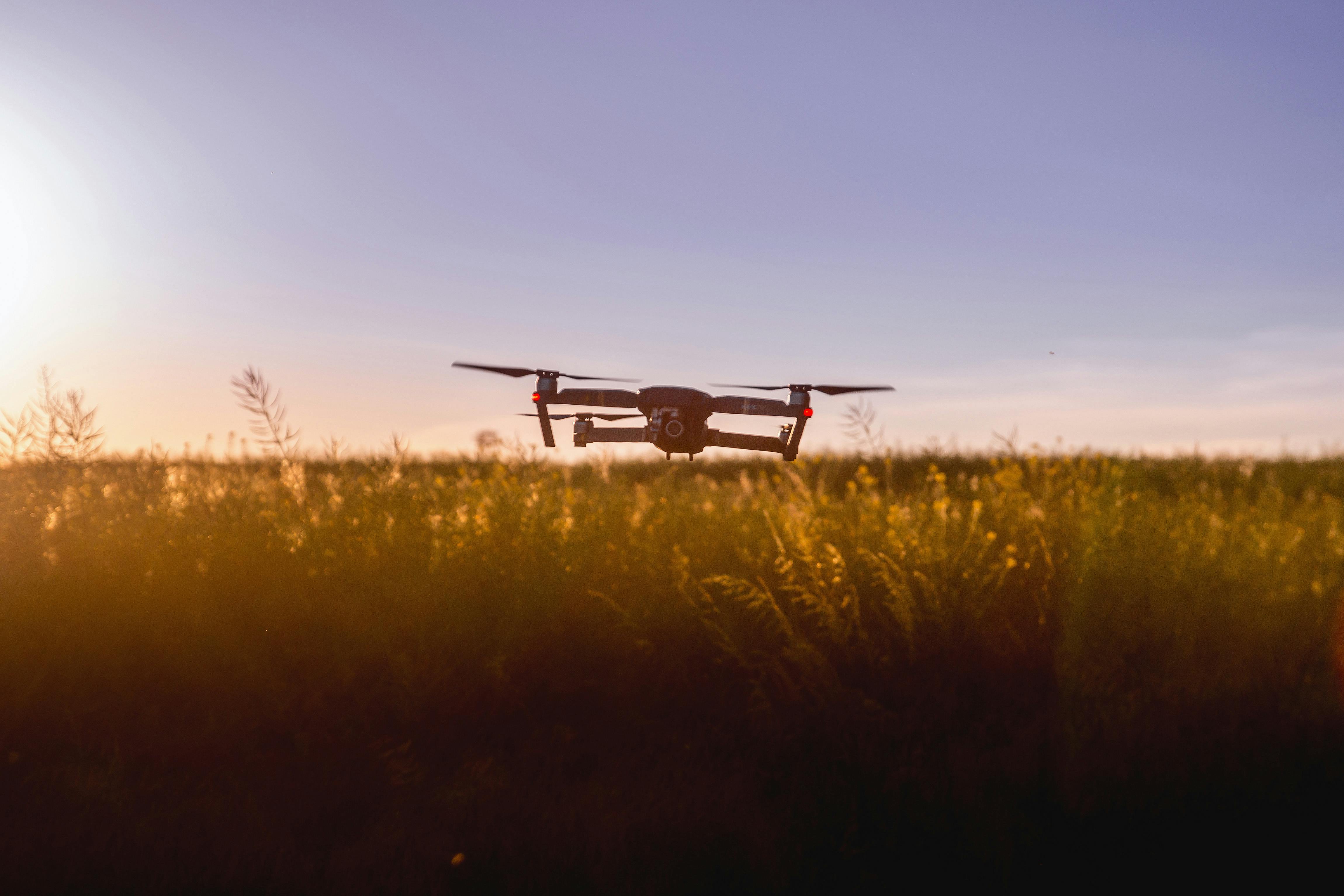
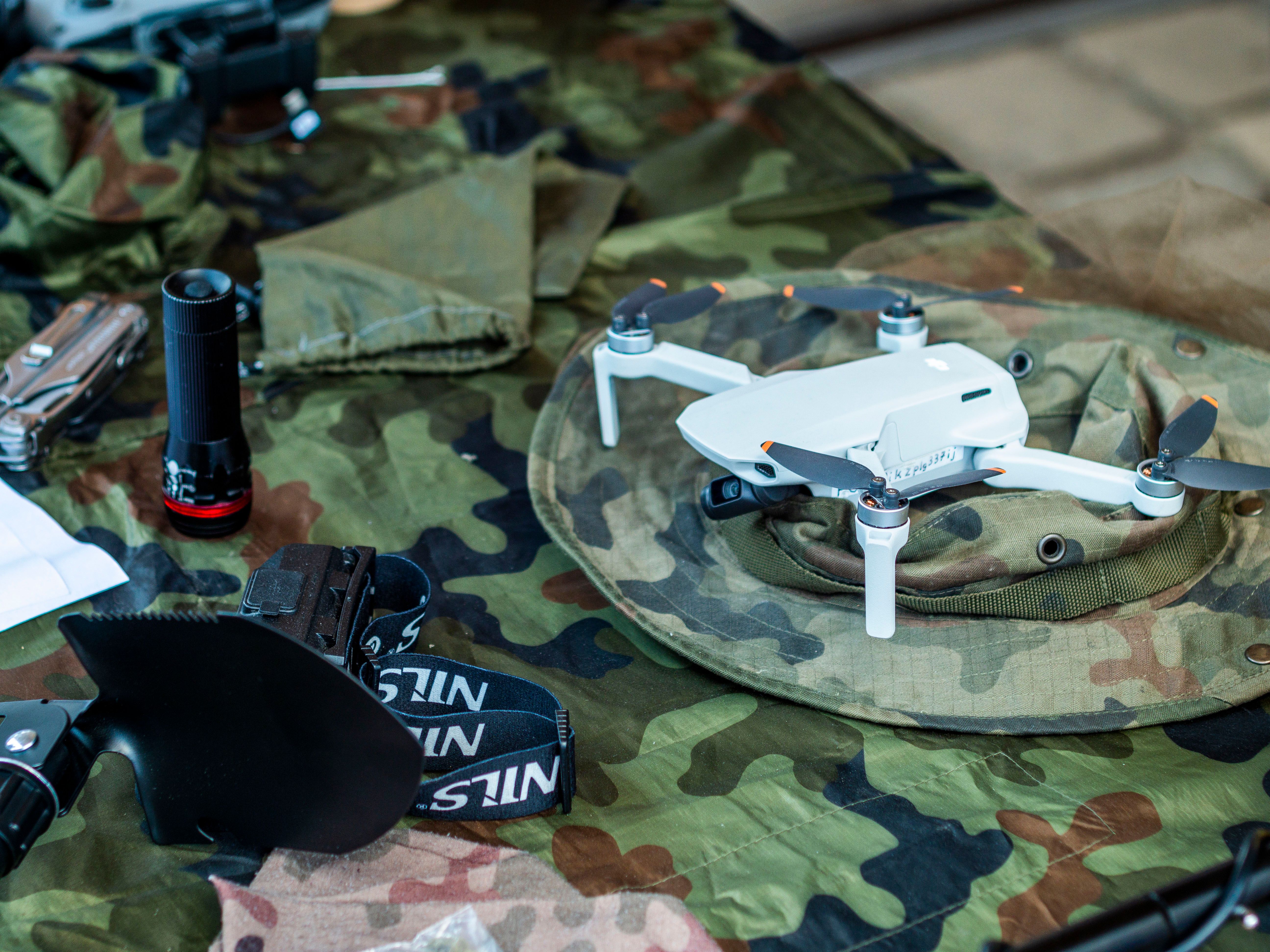
The shift on the battlefield has been enabled primarily by Ukraine's accelerating drone innovation. The Kyiv Post reported that Ukraine has recently fielded an AI-enabled drone that is immune to electronic jamming, harder to detect on radar, and has longer operational range than previous generations. ISW noted that Ukraine's drone adaptations have contributed to higher Russian casualty rates in 2026 compared to 2025 - which had already seen estimated losses of 30,000 Russian troops per month.
Ukraine has also deployed these systems offensively against Russian energy infrastructure. A series of drone strikes on the Baltic Sea oil hubs of Primorsk and Ust-Luga - which previously handled roughly 45% of Russia's seaborne crude exports - burned an estimated $200 million of oil and caused naphtha exports from Ust-Luga to fall by approximately 70% in the final week of March. The economic pressure is compounding the military pressure.
Russia has recognized the shift and responded with escalation. On the night of May 23, Moscow launched nearly 600 drones and 90 missiles at Ukraine - one of the largest single barrages of the war - including the third deployment of its Oreshnik hypersonic ballistic missile against Kyiv. The strike killed four people and wounded more than 80. Russia also warned foreign citizens and diplomatic staff to leave the Ukrainian capital. The message was deliberate: if Ukraine is gaining momentum, Russia intends to raise the cost of that momentum as high as possible.
The Patriot Bottleneck and the RTX Trade
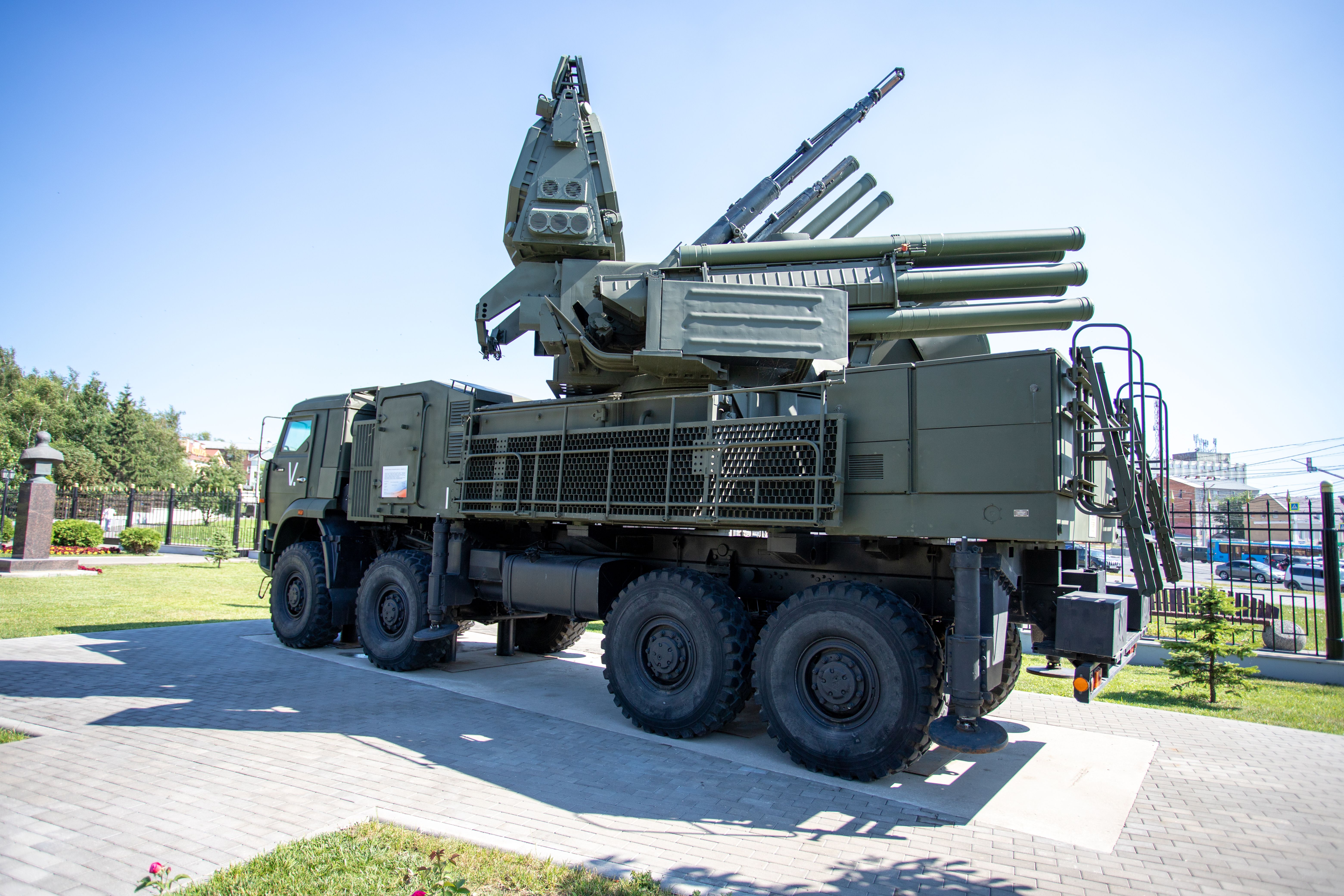
Ukraine's drone advantage is real, but it exists alongside a critical vulnerability: air and missile defense. Zelenskyy appealed directly to President Trump and Congress in a letter warning that current Patriot interceptor delivery rates are not keeping pace with Russia's ballistic missile threat. He called Russian ballistic missiles Ukraine's "last major advantage on the battlefield" - and said Patriot systems are the only effective counter.
The supply problem is structural. The U.S. conflict with Iran has diverted Patriot interceptors and other air defense assets away from Ukraine toward the Middle East. Trump has signaled he views the Russia-Ukraine war as primarily a European concern, reducing the likelihood of a major U.S. resupply surge in the near term.
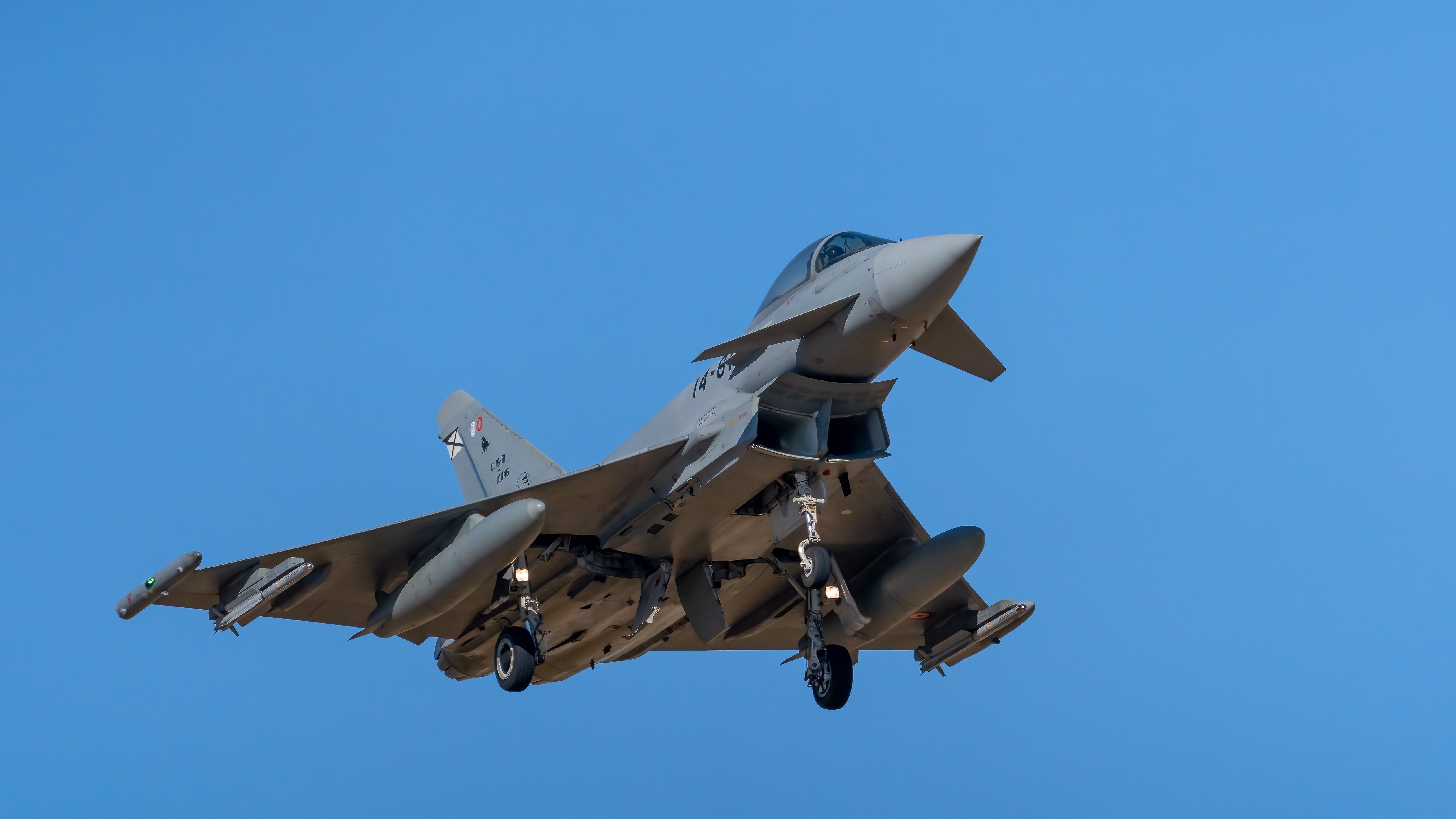
That constraint is creating a direct revenue opportunity for RTX. In April 2026, Raytheon - RTX's defense subsidiary - signed a $3.7 billion contract to supply Ukraine with Patriot GEM-T interceptors, funded through Germany. The deal is one of the largest single defense contracts tied to the Ukraine conflict and reflects a broader European-led effort to fill the gap left by reduced U.S. direct support. RTX has stated it is focused on maximizing production capacity to ensure a steady supply of interceptors for both U.S. and allied customers. With demand structurally exceeding supply, the pricing power and backlog visibility for Patriot systems is as strong as it has been in decades.
Ukraine as a Defense Industrial Incubator
Beyond the immediate procurement story, the Ukraine conflict is producing something with longer-term implications for the defense sector: a real-world testing ground for next-generation military technology at a pace no peacetime program can match. Former CIA Director and retired General David Petraeus recently predicted that Ukraine will possess "the most important military-industrial complex in the free world." His reasoning: Ukraine is producing cutting-edge unmanned systems - not just in the air, but on the ground and at sea - with software update cycles measured in days and hardware iteration cycles measured in weeks.
Ukraine has announced plans to field between 25,000 and 50,000 unmanned ground vehicles in 2026. Its domestic firm Fire Point is developing a cheaper alternative to U.S.-made Patriot systems, targeting deployment before year-end. An electronic warfare system called Lima - designed to spoof satellite navigation and send incoming missiles off course - has already been integrated into Ukraine's layered air defense architecture.
The pace of innovation is not incidental. It is the product of existential pressure applied to a technically sophisticated workforce with direct access to battlefield feedback. The technologies being validated in Ukraine today - AI-guided drones, electronic warfare spoofing, low-cost interceptors, unmanned ground systems - are the technologies that NATO defense budgets will be funding for the next decade. The companies that can demonstrate battlefield-proven systems in Ukraine are building a competitive moat that no laboratory test can replicate.
What the Six-Month Window Means for Markets
Biletsky's six-month window is a military judgment, but it carries a financial implication. If Ukraine can capitalize on its current momentum, the pressure on Western governments to sustain and expand support will intensify - not diminish. A Ukraine that is winning, or credibly threatening to win, is a Ukraine that European governments will fund more aggressively. That means more Patriot contracts, more drone procurement, more electronic warfare investment, and more pressure on defense industrial bases to scale.
If Ukraine cannot capitalize on the window - if Russia adapts its drone countermeasures and restores its advance rate - the argument for sustained Western defense spending does not go away. It gets louder. Either outcome sustains the defense spending cycle. The only scenario that meaningfully reduces it is a negotiated settlement, and the Istanbul talks that Russia proposed for June 2 have so far produced no breakthrough on the core issues of territorial control and security guarantees.
The war in Ukraine has already transformed the defense sector's revenue trajectory. The six-month window Biletsky described is the next chapter of that transformation - and the procurement decisions being made right now will determine which companies are positioned to benefit from it.