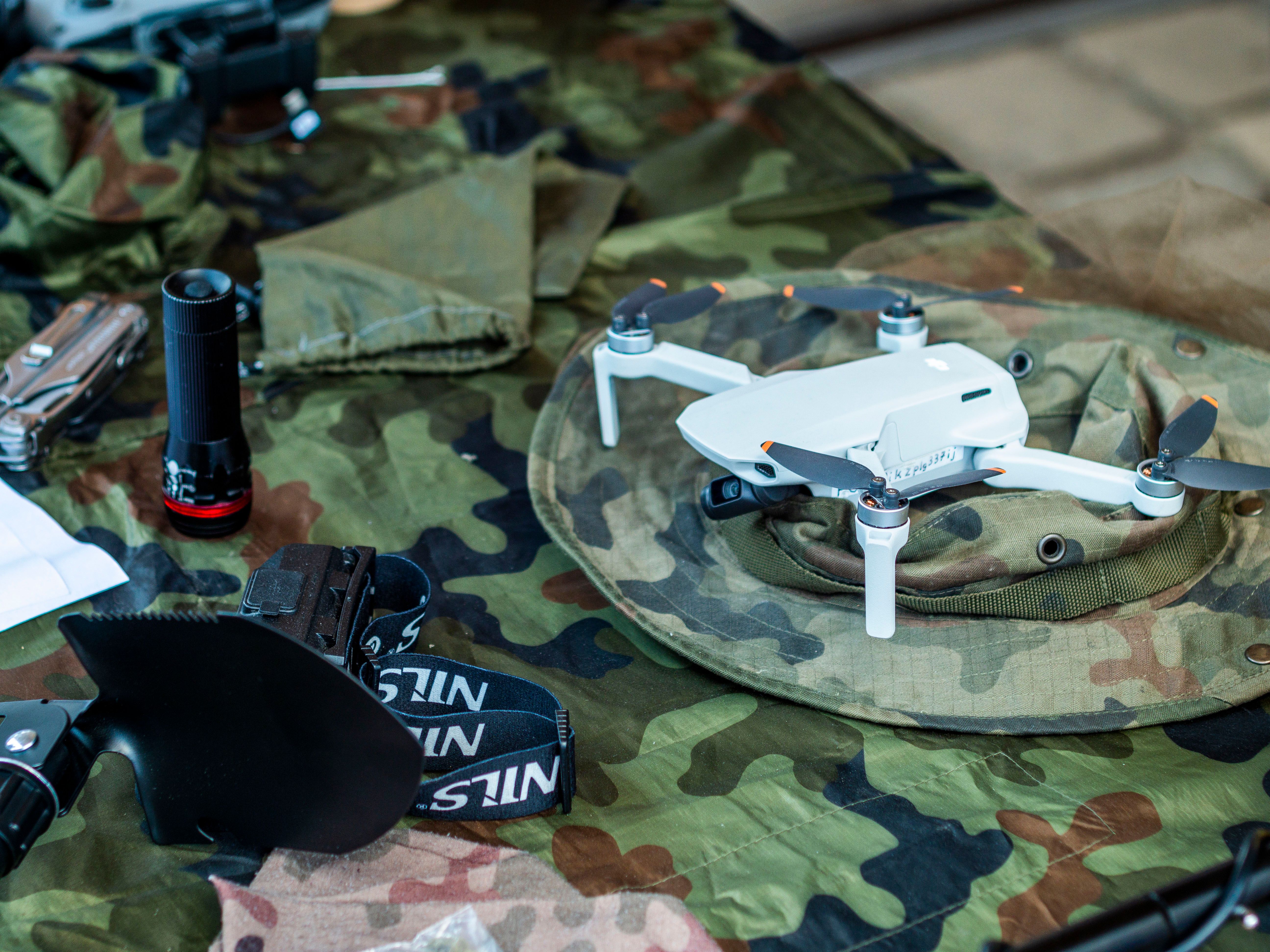
Pentagon Bets on Drone Startups: Inside the $210 Billion Push to Close America's Drone Gap
The Trump administration is negotiating equity stakes in American drone startups. Here is what the Pentagon's $210 billion push to close the U.S. drone manufacturing gap means for investors and the defense sector.

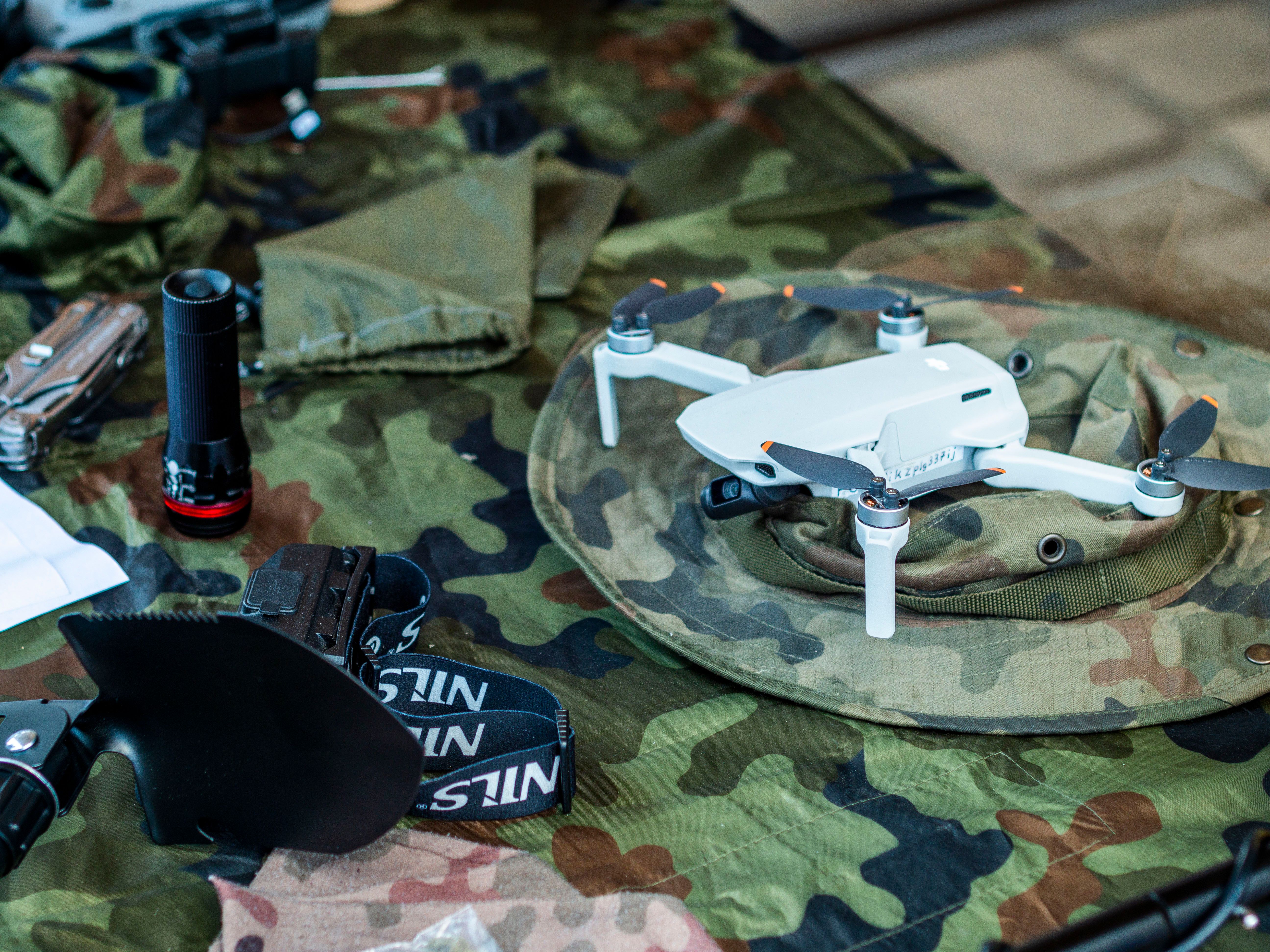
The Pentagon is negotiating equity stakes in American drone startups. That single sentence would have sounded like fiction two years ago. Today it is the most consequential development in U.S. defense procurement in a generation - and Wall Street is already pricing it in.
According to a Wall Street Journal exclusive published May 28, the Trump administration is in active talks to provide financing to a group of domestic drone manufacturers through the Pentagon's Office of Strategic Capital. The deals could include both debt and equity, meaning the U.S. government may soon hold ownership positions in private drone companies it deems critical to national security. The three firms named as leading candidates are Performance Drone Works, Neros Technologies, and Unusual Machines - each representing a different layer of the drone supply chain.
Why This Is Different From Every Previous Drone Initiative
The Pentagon has tried to solve its drone problem through demand signals for years. The Replicator initiative under the Biden administration promised to field thousands of autonomous systems. The DOGE unit seized control of drone procurement in late 2025 after Replicator stalled. The $1.1 billion Drone Dominance program, launched under Defense Secretary Pete Hegseth, set a target of 300,000 low-cost attack drones by end of 2027. Each effort treated the gap as a buying problem. None of them fixed it.
The reason is structural. Before Trump's second term, Pentagon purchases accounted for less than 2% of all drone system sales in the United States annually, according to the Defense Innovation Unit. No manufacturer could justify building a factory for a customer that small. So prices stayed high, which kept the Pentagon from buying at scale, which kept prices high. The equity funding proposal attacks that loop from the supply side - capitalizing manufacturers directly rather than waiting for purchase orders to justify their expansion.
The Three Companies and What They Represent
Performance Drone Works has raised close to $200 million in private capital and already holds an Army contract for reconnaissance drones. It represents the established end of the emerging domestic drone industry - a company with real government revenue and a production track record.
Neros Technologies is the most operationally proven of the three. The Sequoia Capital-backed startup has raised more than $120 million, builds small first-person-view drones, and placed second in the Pentagon's Gauntlet I competition earlier this year. Marines from the 24th Marine Expeditionary Unit trained on Neros Archer systems before deployment this spring. Its drones are Blue UAS-cleared and NDAA-compliant - the two regulatory boxes that matter most for Pentagon procurement.
Unusual Machines is the publicly traded outlier. The drone parts supplier counts Donald Trump Jr. as both a shareholder and advisory board member, a detail that immediately complicates the clean "American-made" narrative the funding push is built around. The company already has orders for 3,500 drone motors for the U.S. Army, with potential to scale to 20,000 components this year. Its stock surged more than 60% in two days after the Journal's report broke.
The Numbers Behind the Urgency
The capacity gap driving this initiative is stark. A 2025 estimate put U.S. drone manufacturing capacity at roughly 100,000 units per year. Ukraine produced approximately 4 million drones last year amid its ongoing war with Russia. Iran, which has been deploying swarms of low-cost kamikaze drones throughout the current conflict, has rebuilt its arsenal faster than U.S. interceptors can neutralize them - and each interceptor missile costs millions of dollars compared to a drone that costs a few hundred.
The Pentagon's FY27 budget request reflects how seriously the administration is taking this. The Defense Autonomous Warfare Group - the department's drone nerve center - received a budget request of more than $54 billion, up from approximately $225 million in the current year. That is not a rounding error. That is a strategic reorientation.
The Conflict Question That Will Not Go Away
The Unusual Machines situation is the story within the story. A federal government taking an equity stake in a company where the sitting president's son holds shares and sits on the advisory board is the kind of arrangement that generates inspector general referrals regardless of how the underlying deal is structured. The Journal noted the relationship without drawing conclusions. The Pentagon declined to comment on pre-decisional matters.
How the administration handles this conflict - if the Unusual Machines deal closes - will determine whether the broader initiative survives political scrutiny. A poorly structured equity arrangement could hand critics a clean line of attack against the entire Drone Dominance program at exactly the moment the U.S. military needs it to succeed.
What Investors Should Watch
The market reaction was immediate and instructive. Unusual Machines shares surged. Red Cat Holdings, Kratos Defense, and other drone-adjacent names also moved higher. But the more important signal is structural: the Pentagon is signaling it will use its $210 billion in Office of Strategic Capital lending authority to build a domestic drone industrial base from the ground up.
That is a different category of commitment than a purchase order. It means the government is betting on the survival and scaling of specific companies, not just buying their products. For investors in the defense tech space, the question is no longer whether the U.S. will build a serious drone industry. The question is which companies will be inside the tent when the formal announcements come - and whether the equity terms, when disclosed, reflect genuine strategic alignment or a procurement process that will face years of legal and political challenge.
The Pentagon official's promise of a formal announcement at a later date is the next catalyst to watch. When that announcement comes, the structure of the deals - debt versus equity, conditional versus unconditional, with or without production benchmarks - will tell investors everything about whether Washington has finally found a way to break the drone manufacturing loop it has been stuck in for the better part of a decade.